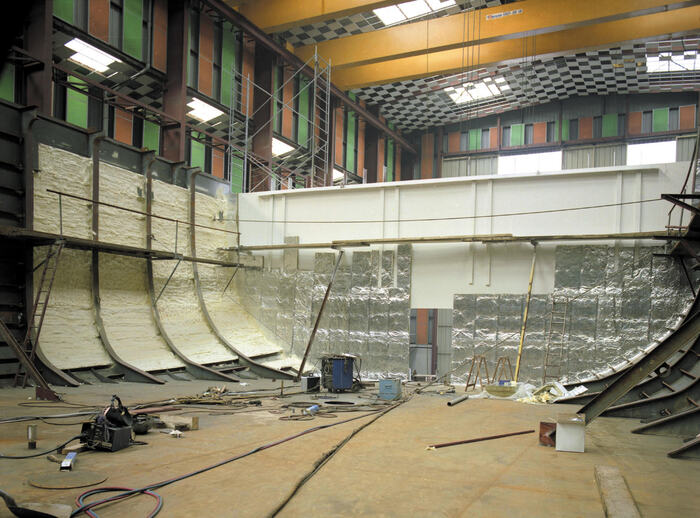
ARLY - Thermal, acoustic insulation and fire protection for the marine and offshore sector

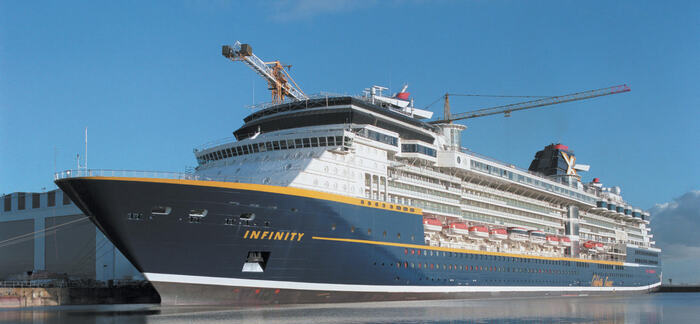
Early supports shipbuilding, maritime, and inland waterway players in the integration of certified thermal, acoustic, and fire protection insulation solutions.

Our insulation systems are designed to meet the specific challenges of marine environments: constant humidity, salt corrosion, mechanical vibrations, significant temperature variations, and enhanced fire safety requirements.

We are involved in new construction projects as well as retrofit, repair, renovation, or technical maintenance operations.

Our solutions are integrated on: 

  • Passenger ship (cruise ships, ferries, yachts, roll-on/roll-off ships, riverboats)
  • Fishing vessel
  • Service vessels
  • Military buildings
  • Offshore platforms (oil, gas, offshore wind)

Each project is the subject of a specific technical study, in order to adapt the insulating materials to the thermal, acoustic, mechanical, and regulatory constraints specific to the naval sector.

Areas of application

The solutions Early cover all functional areas of ships and offshore installations, guaranteeing safety, comfort, and durability.


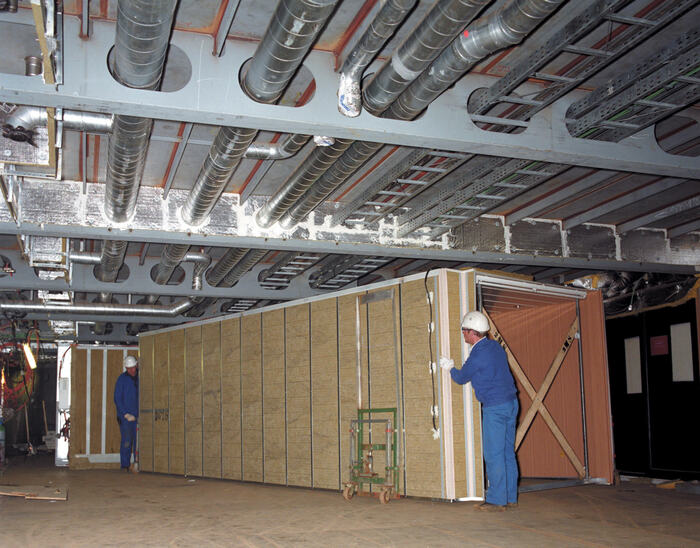
Accommodations

Our naval insulation systems are used in living spaces and structural areas:

Covers
Bridges
Partitions
Cabins
Living zones
Public places
Timoneries
Improve the thermal comfort of passengers and crew
Reduce noise pollution
Ensure fire protection of structures
Ensure compliance with standards 

Our insulation materials contribute to the overall quality of interior facilities and the safety of personnel.


Technical zones

Technical areas require materials resistant to thermal and mechanical stress.

Industrial kitchens
Laundries
Maintenance spaces
Technical premises
Service compartments
High thermal resistance
Dimensional stability
Fire spread protection
Durability in humid environments
 

Zone machine

Engine rooms are one of the most constrained environments on board.

Our multilayer insulating composites are designed to:

Resist high temperatures

Limit the spread of flames

Reduce noise emissions

Absorb structural vibrations

Protect sensitive equipment
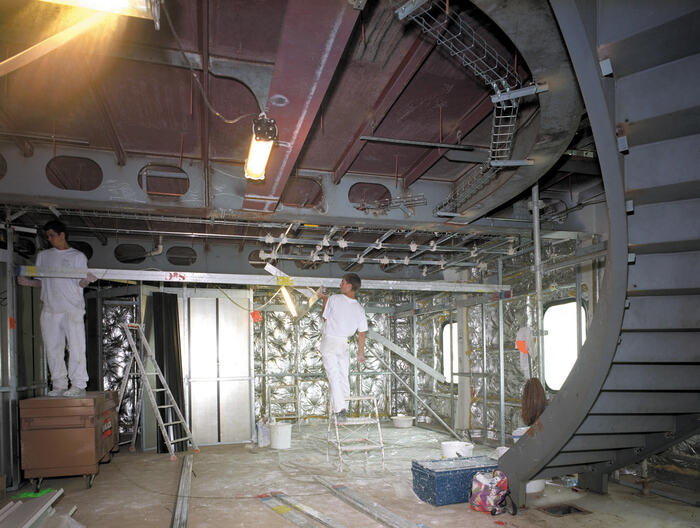
These solutions ensure the security of energy facilities and acoustic comfort in adjacent areas.

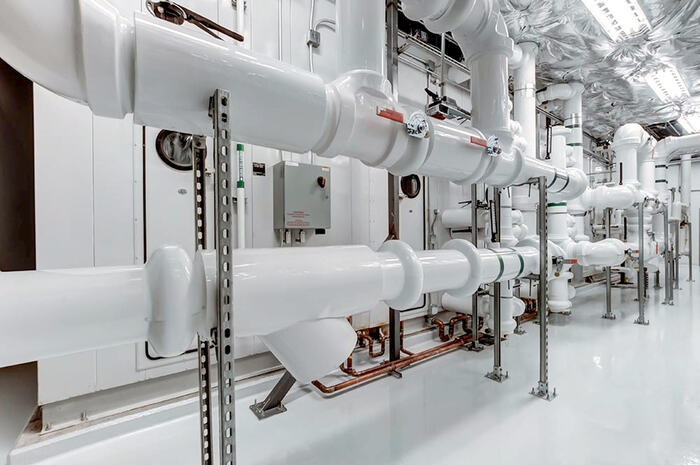
HVAC (Heating, Ventilation, Air Conditioning)

Early designs specific solutions for onboard ventilation and air treatment systems:

Insulation of air and fluid networks

Thermal-acoustic insulation of ducts, conduits

Air handling unit isolation

Challenges

Energy optimization

Reduction of thermal losses

Acoustic comfort on board

Regulatory compliance
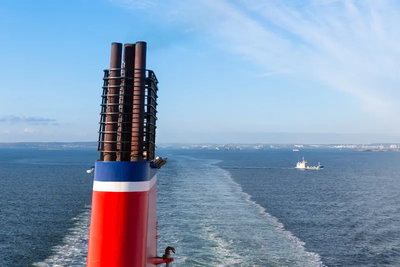
Energy, fluids, and exhausts

Fluid networks
Technical piping
Exhaust systems
Energy production facilities
Thermal control
Protection of surrounding structures
Fire risk limitation
Energy performance stability

A certified quality system

Quality and regulatory compliance (IMO, STANAG) are at the core of our approach.

Product Compliance with International Maritime Standards
Full material traceability 
Technical validation of fire and thermal performance
The reliability of integrated solutions
 

All our products intended for the maritime sector undergo rigorous testing before validation.

  • International Marine and Offshore Certification IMO
  • Validation of STANAG Military Equipment 

In addition, our organization is covered by ISO 9001 certification, ensuring:

  • Mastery of industrial processes 
  • Continuous improvement
  • Regulatory compliance
  • Customer satisfaction

Why choose ARLY for your Marine & Offshore projects?

Early is a reliable industrial partner for shipyards, maritime integrators, and offshore operators.


Certified marine insulation solutions

Moisture and salt corrosion resistant materials

High-performance thermal and acoustic insulation

Fire protection suitable for naval environments

Personalized technical support

Contact

Are you developing a shipbuilding or offshore installation project? Our technical teams will assist you in defining and integrating insulating solutions tailored to your technical and regulatory constraints.